Search Antique Clocks
Showing 2,781–2,800
of 8,820 clocks
by unsigned
-
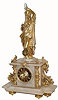 C.1880, French, Conical Pendulum Clock, the pendulum held in the hand of Industry statue, and rotating in a pattern the shape of a "cone".
 -
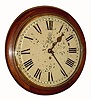 C.1910, English, fusee postal gallery timepiece, 8-day.
 -
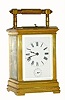 C.1900, French, Brass Cased Carriage clock, grand sonnerie with alarm and repeat, in an English style case with square columns.
 -
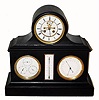 C.1890, French, Perpetual calendar, thermometer and barometer, open escapement, black marble mantel clock, 8-day.
 -
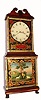 First Half 19th Century, Boston Area "Massachusetts Shelf Clock", 2-tr, time and strike, with a later painted top glass bearing the name of Aaron Willard.
 -
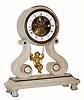 C.1900, French, swinging doll timepiece, 8-day, in a white alabaster case with brass trim.
 -
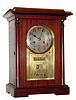 C.1910 German, mahogany automatic calendar clock, 8-day time and gong strike, case with Art Deco influence, brass dial surround and brass sleeves on the columns.
 -
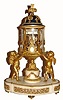 C.1875, French, Ormolu and White Marble Temple motif clock with revolving annular dials, the bell striking movement with platform lever escapement, driving both minute and hour rings, each with cartouche numerals, and in excellent original condition.
 -
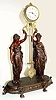 C.1895, French, Double Figure Swing clock, canister type, 8-day, time.
 -
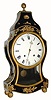 C.1790, Swiss, Neuchatel, 8-day quarter hour strike with full repeat bracket clock.
 -
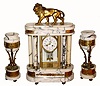 C.1900, French, Large clock set, Brass and marble crystal regulator with side garnitures.
 -
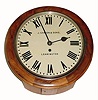 C.1900, English, fusee wall timepiece, 8-day
 -
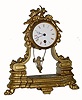 C.1890, French, Swinging Doll clock, time only, in a gilt white metal case surmounted by love birds. The movement is a typical "double escape wheel" with chaff cutter verge. The movement is signed eschappement brevete.
 -
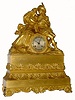 C.1830, French Ormolu Figural clock, depicting two 18th century lovers, the unsigned silk susp movement with countwheel striking on a bell, and with old pendulum.
 -
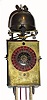 Mid 20th century, copy of 19th Century Japanese Lantern Clock, dual foliot, 3-wt, striking, with alarm.
 -
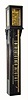 19th Century, Japan, Meiji Period, striking, vertical stick style case, crown verge with horizontal balance, the weight of the separate striking movement powering the time movement above.
 -
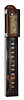 19th Century, Japan, Meiji Period, 1-weight timepiece, vertical stick style case, crown verge with horizontal balance.
 -
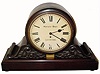 C.1905 (dated), German for English Presentation, Giant Tambour clock, fusee movement.
 -
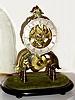 C.1875, English, Skeleton Clock, 1-Fusee, time only with glass dome.
 -
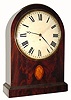 C.1860, English, Round Gothic, Large 8-day fusee mantel timepiece.