Search Antique Clocks
Showing 221–240
of 864 clocks
type Dial
-
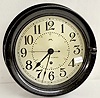 Seth Thomas Lever No. 18 Clock, 1939
 -
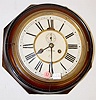 Ansonia Rosewood Octagon Lever Clock
 -
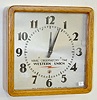 Naval Observatory Time Western Union Wall Clock
 -
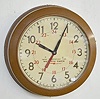 Naval Observatory Time Round Wall Clock
 -
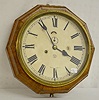 New Haven Hexagon Lever Clock, 14"
 -
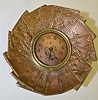 New Haven "FLUSH" Clock, Jefferson & Lafayette
 -
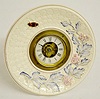 French Avalon Baby Faience Plate Clock
 -
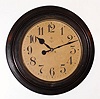 German, Junghans, large gallery clock,
 -
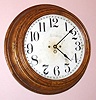 New Haven Clock Co., "Branford", 30-day gallery timepiece, in a deeply profiled case, Circa 1900 As an aside, there was a drop octagon wall clock that was made by New Haven that was also labeled "Branford".
 -
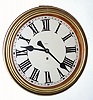 Waterbury Clock Co., BALCONY, 18-Inch dial, gallery style timepiece, 8-day spring. C.1920.
 -
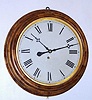 Waterbury Clock Co, large round gallery timepiece, 8-day, spring, 18" dial. C.1893.
 -
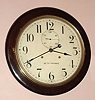 Seth Thomas Clock Co., "ARCADE No. 1", 30-day wall timepiece, duplex spring movement, with seconds hand, Circa 1928.
 -
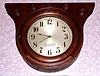 Seth Thomas, Thomaston, Conn. "DOUBLE DIAL CEILING" model, 30 day time double spring brass mvt No. 86 in mahogany case with concentric raised mahogany accents with 14" metal dials, private label for "GEO. P. THOMAS 64 LINDEN ST. BROOKLYN. N.Y." C. 1935.
 -
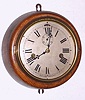 Seth Thomas Clock Co., 8-day lever movement timepiece/ marriage. Circa 1920.
 -
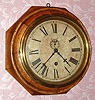 Waterbury Clock Co., "8 INCH LEVER", octagonal wall timepiece in a segmented and turned oak case, 8-day, spring. C.1890.
 -
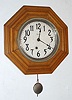 E. Ingraham and Co., 8-day, oak octagon wall timepiece, pendulum movement. Circa 1915.
 -
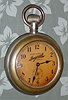 Ingersoll Watch Co., "JUMBO WATCH", 39 hour timepiece. Note this is actually a display clock in the form of a watch. C.1910.
 -
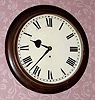 English, F. W. Elliott Ltd., 8-day gallery timepiece (going barrel movement). Circa 1915
 -
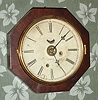 Chauncey Jerome, New Haven, Conn, Octagon wall timepiece with alarm, in a well figured mahogany case, 1-day. C. 1860.
 -
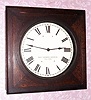 Self Winding Clock Co, New York, time mvt Style No. 29 Serial No. 14034 in oak case with 14" dial, original paper instructional labels and metallic identification tags all present, electrically driven and designed for use under lease by Western Union to receive a synchronizing signal from the Naval Observatory in Washington D.C. C. 1930.