Search Antique Clocks
Showing 101–120
of 1,580 clocks
from England
-
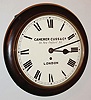 English dial, 8 day, fusee timepiece, c1900.
 -
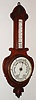 Barometer, probably English, oak aneroid instrument with mercury dual scale thermometer, c1920
 -
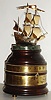 The Boehm "Mayflower Clock", Llandow, Wales, modern annular commemorative 8 day timepiece by K.J. Bradford, Chelmsford, England, Serial No. 011, late 20th century
 -
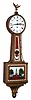 Smiths, Great Britain, 3/4 size 8 day gold front mahogany banjo timepiece, 20th century
 -
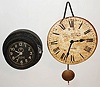 Clocks- 2 (Two) hanging 8 day timepieces: Chelsea Clock Co., phenolic Mark I Deck Clock, U.S. Navy, 1943; John Walker, London, wag on wall with fusee movement, c1910
 -
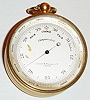 Pocket barometer, Short and Mason, London, with altimeter bezel and compass on reverse side, in fitted case, early 20th century
 -
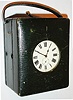 England?, leather bound travelling clock with Swiss thirty hour watch movement, pin pallet escapement, celluloid Roman numeral dial, backlit for viewing at night by depressing button on top of case, green velvet lining and key holder in front compartment, back compartment with battery holder, blued steel hands, c1910
 -
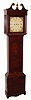 English tall clock parts lot with painted iron square dial and brass movement in pieces
 -
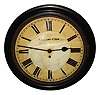 Guillaume and Son English dial ebonized wood 8 day fusee hanging timepiece, c1900
 -
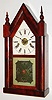 William S. Johnson, New York, 30 hour, time and strike, steeple or sharp gothic shelf clock, c1855
 -
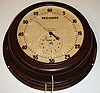 Timer- Smith's English Clocks, Ltd military timer
 -
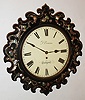 D. Evans, Pontypool, England, paper mache, mother-of-pearl, and wood, 8 day, time only, fusee wall clock, c1860
 -
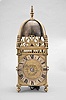 Peter Closon, London, a mid 17th century striking lantern clock, the brass case with turned, tapered columns at the corners, with ball feet and ornate urn finials, the top with arcaded brass gallery fixed to the top plate, and with a second top above, screwed to the lower plate and located by pins formed from extensions of the columns, three sides with engraved, foliate frets, and top with brass bell strap with finial and large bell, dial plate with foliate engraved corners, the center with engraved tulips, and signed "Peter Closon Neere Holburn Bridge Londini Fecit", silvered brass chapter ring with roman numerals and matchstick flower half hour markers and single, cut steel hand, movement with crown wheel escapement and count wheel striking, crown wheel made of steel instead of the more ususal brass, contrate wheel with three spoke crossing dovetailed to the rim, hour wheel and ratch with matchstick man marks
 -
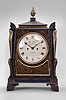 John Palmer, London, bracket clock, 8 day, time and strike, spring driven fusee movement in an Egyptian Revival case made of mahogany with brass inlay and applied brass figures on the corners, the top with anthemion corners, gadrooned plinth supporting a brass finial, painted metal dial signed as above, blued steel spade variant hands.
 -
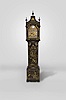 John Dewe, London, England, tall clock, 8 day, time and bell strike, weight driven movement in an ebonized and japanned pagoda top case with three finials resting on a base with a cutout skirt. The brass dial has seconds bit, calendar, silvered chapter ring, boss engraved "Tempus Fugit" flanked by two brass dolphin spandrels, corner spandrels with female heads, signed by maker below 6.
 -
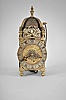 Peter Closon, London, a mid 17th century miniature striking lantern clock, the brass case with turned, tapered columns at the corners, with ball feet and urn finials, three sides with engraved, dolphin frets, and top with brass bell strap with finial and bell, dial plate with engraved tulips, and signed "Peter Closon Neere Holburn Bridge Londini Fecit", silvered brass chapter ring with roman numerals and matchstick flower half hour markers and blued steel hands, movement with crown wheel escapement and count wheel striking, contrate and crown wheels without crossings, with 20th century wall bracket
 -
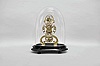 E. Fisher, Bath, England, an attractive, small skeleton clock with lever escapement, the finely fretted brass frames well proportioned and finished, fusee movement with six spoke crossings, skeletonized barrel, jeweled lever escapement and steel balance, Roman numeral skeletonized silvered dial, and with plate engraved "E. Fisher Bath" below, steel spade and poker hands, mounted to an ebonized wooden base with glass dome
 -
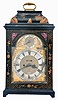 John Halifax, London a late 18th century japanned bracket clock, composite brass arch dial, silvered roman numeral chapter ring signed below 6:00, "John Halifax/London", date aperture and mock pendulum, regulation dial in the arch, blued steel hands, matted centers and brass spandrels, the molded top case with japanned decoration of a Chinese pagoda and brass carrying handle at the top, dial door with floral decoration and pierced sound frets and sides both backed with red fabric, all resting on short bracket feet, the rear glazed door opens to the eight day, cable fusee, verge escapement movement with rack striking on the hour, back plate fully engraved with centered woman playing a violin, rise and fall pendulum with small brass bob and pendulum holder.
 -
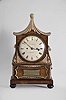 England, Des Granges, Cockspur St., mantel clock, 8 day, time and strike with pull repeat, spring driven fusee movement in a rosewood veneered case with Chinoiserie style on turned and carved feet, the case with applied and carved gilt ornaments and crest, signed dial, black steel fleur-de-lis hands, and plaque with poem considering the transient nature of life.
 -
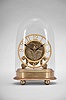 John Pace, Bury, St. Edmunds, an 8 day skeleton timepiece, the brass plates and base with beveled edges, round, rear plate with scroll supports, the shield shaped front plate bearing the motion work, mainspring setup ratchet and click, and supporting the barrel, fusee, and center wheel, the third and escape wheels supported by a decorative cock, light wheel work with five spoke crossings, gilt, skeletonized Arabic numeral dial with knurled inner and outer ring, and pebble finish numerals, blued steel spade hands, all resting on an oval brass base with ball feet and conforming glass dome. Front of base signed "John Pace Bury St. Edmunds 271 "